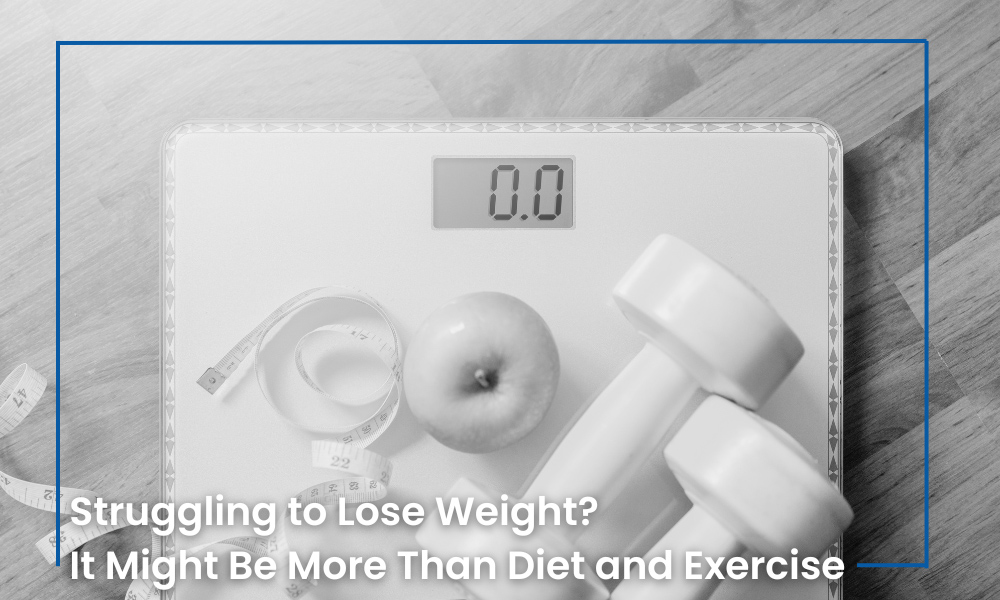
Many men believe that weight loss is simply a matter of eating less and exercising more. While those factors are important, they’re not the full picture. If you’ve been doing everything right and still not seeing results, your body may be working against you.
The Role of Metabolism
Metabolism determines how your body uses energy. As men age, metabolic rate can slow down, making it harder to lose weight and easier to gain it — even with consistent effort.
Hormones and Weight Gain
Hormones like testosterone and cortisol play a major role in body composition. Low testosterone can lead to increased fat storage and reduced muscle mass, while elevated cortisol from chronic stress can contribute to stubborn belly fat and cravings.
Why Traditional Diets Don’t Always Work
Many diets fail because they don’t address underlying metabolic or hormonal issues. Without understanding what’s happening internally, weight loss efforts can feel frustrating and inconsistent.
A Medical Approach to Weight Loss
A more effective approach starts with evaluation. Lab testing can reveal hormone imbalances, metabolic concerns, and other factors affecting weight. From there, a personalized plan can be developed to support sustainable results.
Sustainable Results Over Quick Fixes
The goal isn’t rapid weight loss — it’s lasting change. With the right support, men can improve body composition, increase energy, and build healthier habits that stick.
Start with Answers
If weight loss has been a struggle, it may be time to look beyond diet and exercise. A medical evaluation can provide the insight needed